
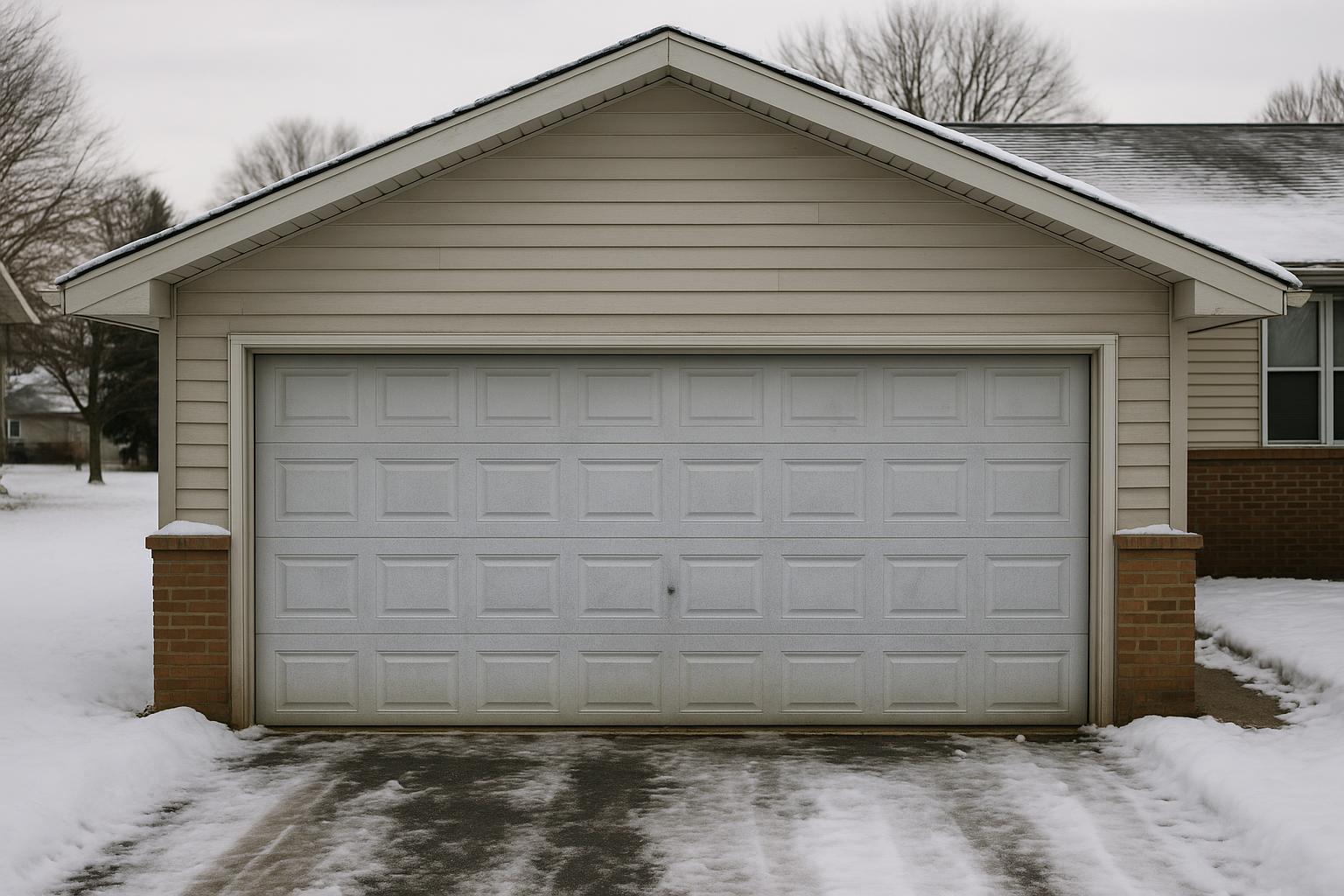
Winter Is Tough on Garage Doors in Orland Park
If you've lived in Orland Park for even one winter, you know the cold doesn't mess around. Temperatures regularly dip below zero, wind chills make it feel even worse, and the freeze-thaw cycle can last from November through March. While most of us focus on winterizing our furnaces and pipes, there's one major part of your home that often gets overlooked: your garage door.
Your garage door is the largest moving component of your home, and it's directly exposed to the elements. Cold weather affects nearly every part of the system — from the springs and tracks to the opener and weatherstripping. Understanding how winter impacts your garage door can help you avoid breakdowns on the coldest mornings when you need your door to work the most.
Garage Door Springs and Freezing Temperatures
Garage door springs are under enormous tension every time your door opens and closes. In cold weather, the metal in those springs contracts, making them more brittle and more prone to snapping. This is why we see a spike in spring replacement calls every January and February across Orland Park and the surrounding Southland communities.
A broken spring isn't just an inconvenience — it can be dangerous. If a torsion spring snaps while the door is in motion, the door can come crashing down. Here's what to watch for:
- Loud bang from the garage: This is often the sound of a spring breaking, even when the door isn't in use.
- Door feels extremely heavy: If your garage door suddenly feels like it weighs a ton when you try to lift it manually, a spring has likely failed.
- Door opens unevenly: One side rising faster than the other can indicate a spring issue on one side.
If you notice any of these signs, don't try to operate the door or fix the spring yourself. Garage door springs carry enough force to cause serious injury. Call a professional to handle the replacement safely.
How Cold Affects Your Garage Door Opener
Your garage door opener has to work harder in the winter. Cold temperatures thicken the lubricant on moving parts, which increases friction and forces the motor to strain. Over time, this extra strain can shorten the life of your opener or cause it to fail entirely.
Common cold-weather opener problems include:
- Slow response time: You press the button and nothing happens for several seconds, or the door moves sluggishly.
- Opener runs but the door doesn't move: This can indicate that the opener's gears have stripped, often because of the added resistance from cold, stiff components.
- Intermittent operation: The door works sometimes but not others, which can be related to cold-sensitive electrical connections or a weakening motor.
One simple step you can take is to switch to a cold-weather lubricant designed for garage doors. Silicone-based sprays perform much better in freezing temperatures than standard grease or oil-based products.
Frozen Garage Doors: A Common Orland Park Problem
One of the most frequent winter calls we get is from homeowners whose garage doors are literally frozen to the ground. When water collects at the base of the door and temperatures drop overnight, the rubber weatherstripping along the bottom can freeze to the concrete floor or driveway.
If this happens to you, resist the urge to just hit the opener button repeatedly. Forcing a frozen door open can tear the weatherstripping, damage the bottom panel, or burn out your opener motor. Instead, try these steps:
- Use a heat gun or hair dryer along the bottom seal to gently melt the ice.
- Carefully tap along the bottom of the door with a flat wooden board to break the seal without damaging the weatherstripping.
- Once the door is free, clear away any standing water or snow from the base to prevent it from refreezing.
- Apply a thin layer of silicone spray or cooking spray to the bottom seal to help prevent future freezing.
If your weatherstripping is old, cracked, or damaged, replacing it before winter sets in is a smart investment. It keeps cold air out of your garage, helps with energy efficiency, and reduces the chance of the door freezing shut.
Metal Tracks and Hardware Contraction
Every metal component in your garage door system contracts slightly in cold weather. This includes the tracks, hinges, rollers, and brackets. While the contraction is small, it can be enough to cause alignment issues, especially in older systems where parts are already worn.
Signs of cold-related track problems include:
- Grinding or scraping noises when the door moves
- The door getting stuck partway open or closed
- Visible gaps between the rollers and the track
Regular maintenance can catch these issues before they become major problems. Having a technician inspect and adjust your tracks, tighten hardware, and lubricate all moving parts in the fall can save you from an emergency repair in the dead of winter.
Weatherstripping and Energy Loss
Your garage may not be a heated living space, but if it's attached to your home — as most garages in Orland Park are — a poorly sealed garage door can significantly impact your heating bills. Cold air that seeps through worn weatherstripping or gaps around the door panels makes your furnace work harder to keep the rest of your home comfortable.
Check the weatherstripping along the sides, top, and bottom of your garage door. If you can see daylight or feel a draft, it's time for a replacement. This is one of the most affordable garage door maintenance tasks, and it pays for itself in energy savings over the course of a single winter.
A Winter Maintenance Checklist for Your Garage Door
Here's a quick checklist to help you prepare your garage door for the Orland Park winter:
- Lubricate all moving parts with a silicone-based spray — springs, hinges, rollers, and tracks.
- Inspect the weatherstripping and replace any sections that are cracked, brittle, or missing.
- Test the balance of your door by disconnecting the opener and lifting the door manually. It should stay in place when halfway open.
- Check the auto-reverse safety feature by placing a small object under the door and closing it. The door should reverse immediately upon contact.
- Clear debris and moisture from the base of the door and the tracks.
- Listen for unusual noises during operation and address them before they become bigger issues.
Don't Wait for a Breakdown
The worst time to deal with a garage door problem is when it's ten degrees outside and you're late for work. A little preventive maintenance goes a long way toward keeping your garage door reliable all winter long.
If you're in Orland Park, Tinley Park, Homer Glen, Mokena, Frankfort, or New Lenox and want to get ahead of winter garage door problems, Orland Park Garage Door is here to help. Whether you need a tune-up, a spring replacement, or a full inspection, we'll make sure your door is ready for whatever this winter throws at it.