
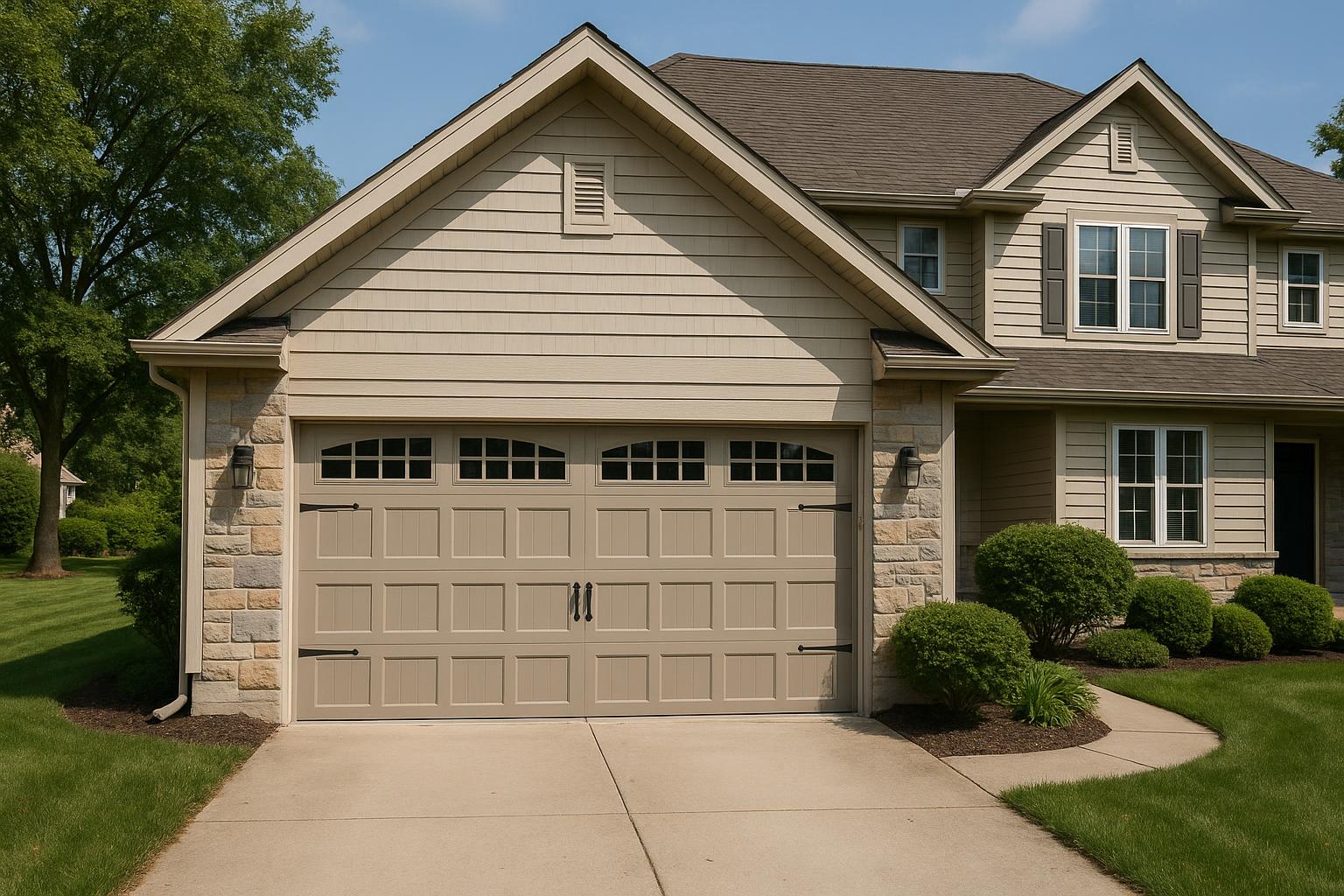
Your Garage Door Is One of the Biggest Decisions You'll Make for Your Home
If you're building a new home, renovating, or finally replacing that beat-up door that's been an eyesore for years, choosing a new garage door is a bigger decision than most people realize. It's one of the largest moving parts on your house, it takes up a huge chunk of your home's front-facing exterior, and it directly impacts your curb appeal, energy efficiency, and security.
For homeowners in Orland Park and the surrounding Southland communities, the decision also needs to account for our climate — harsh winters, humid summers, and everything in between. The wrong door can cost you in energy bills, maintenance headaches, and premature wear.
Here's a practical guide to help you choose the right garage door for your home, your budget, and your lifestyle.
Material Options: What's Your Door Made Of?
The material you choose affects everything — how the door looks, how long it lasts, how much maintenance it needs, and how well it insulates your garage. Here are the most common options:
Steel
Steel is the most popular garage door material for good reason. It's durable, low-maintenance, and available in a wide range of styles and price points. Modern steel doors can be painted, textured to look like wood, and insulated for energy efficiency. For Orland Park homeowners dealing with ice, snow, and temperature swings, steel holds up exceptionally well.
Wood
Wood garage doors offer a classic, high-end look that's hard to beat. They're beautiful — but they require more maintenance. Wood needs to be stained or painted regularly to protect it from moisture, warping, and rot. If you love the look of wood but want less upkeep, consider a steel door with a wood-grain finish.
Aluminum
Aluminum doors are lightweight, rust-resistant, and modern-looking. They work well for contemporary home designs and are a solid choice if you want a sleek, minimalist aesthetic. However, aluminum dents more easily than steel, so it may not be the best pick if your driveway sees a lot of action.
Composite and Faux Wood
Composite doors give you the appearance of real wood without the heavy maintenance. They resist moisture, insects, and cracking better than natural wood, making them a practical choice for our Midwest climate.
Insulation: More Important Than You Think
A lot of homeowners overlook insulation when shopping for a garage door, but in a place like Orland Park, it matters — a lot. An uninsulated garage door lets cold air pour in during winter and hot air during summer, which affects the temperature of any rooms above or adjacent to your garage.
Garage door insulation is measured by R-value. The higher the R-value, the better the insulation. Here's a general guide:
- No insulation (R-0): Fine for detached garages used only for storage, but not ideal for attached garages.
- Polystyrene insulation (R-6 to R-9): A good mid-range option that provides decent thermal protection.
- Polyurethane insulation (R-12 to R-18): The best option for energy efficiency. These doors are also quieter and more rigid, which adds to their durability.
If your garage is attached to your home — which is the case for most homes in Orland Park's neighborhoods — investing in a well-insulated door can make a noticeable difference in your heating and cooling bills.
Style and Curb Appeal
Your garage door can account for up to 30% of your home's front-facing exterior. That's a huge visual impact. Choosing a style that complements your home's architecture is key.
Traditional Raised Panel
This is the most common style you'll see throughout Orland Park's subdivisions. Raised panel doors are versatile and work with most home styles, from colonials to ranch homes.
Carriage House
Carriage house doors mimic the look of old swing-out barn doors but operate like modern overhead doors. They add character and charm, and they're especially popular on homes with a craftsman or farmhouse aesthetic.
Contemporary and Full-View
Sleek lines, glass panels, and aluminum frames define the contemporary look. These doors are growing in popularity, especially in newer construction and modern renovations.
Windows: Yes or No?
Adding windows to your garage door lets in natural light and enhances the overall look. Frosted or obscured glass gives you light without sacrificing privacy. If security is a concern, tempered glass options are available that are much harder to break.
Size and Configuration
Most residential garage doors come in standard sizes — single doors are typically 8 or 9 feet wide, and double doors are 16 feet wide. Heights usually range from 7 to 8 feet. However, if you have an oversized vehicle, an RV, or a lifted truck, you may need a custom-sized door.
Before ordering a new door, it's important to have accurate measurements taken. A professional installer will measure the opening, headroom, side room, and backroom to make sure the door and hardware fit properly. Getting this wrong leads to problems with operation, safety, and warranty coverage.
Budget: What Should You Expect to Spend?
Garage door prices vary widely depending on material, insulation, size, and style. Here's a rough breakdown:
- Basic uninsulated steel door: $800 – $1,200 installed
- Insulated steel door: $1,200 – $2,500 installed
- Carriage house style: $1,500 – $4,000 installed
- Wood or custom doors: $3,000 – $8,000+ installed
Keep in mind that a new garage door is one of the top home improvement projects in terms of return on investment. According to Remodeling Magazine's annual Cost vs. Value report, a garage door replacement consistently recoups a significant percentage of its cost at resale — often more than kitchen or bathroom updates.
Choosing a Color
Your garage door color should complement your home's exterior — siding, trim, roof, and front door. Most manufacturers offer a range of standard colors, and many steel doors can be custom painted. A few tips:
- Match your door to your trim color for a cohesive look.
- Go with a contrasting color if you want the door to be a design feature.
- Darker colors show dirt less but can absorb more heat in summer.
- When in doubt, neutral tones like white, gray, greige, or black are safe and timeless choices.
Don't Forget the Opener
If you're investing in a new garage door, it's worth evaluating your opener at the same time. Older openers may not be compatible with newer, heavier insulated doors. Modern openers are also quieter, more secure, and offer smart features like smartphone control and battery backup — a real advantage during Orland Park's occasional power outages in winter storms.
Work With a Local Pro
Buying a garage door online or from a big box store might seem like a way to save money, but installation quality makes all the difference. A poorly installed door can be noisy, unbalanced, unsafe, and prone to premature failure.
Working with a local garage door company means you get expert guidance on choosing the right door for your home, professional measurement and installation, and someone nearby to call if you ever need service down the road. At Orland Park Garage Door, we help homeowners across Orland Park, Tinley Park, Homer Glen, Mokena, Frankfort, and New Lenox find the perfect door and install it right the first time.
Ready to Pick Your New Door?
Choosing a garage door doesn't have to be overwhelming. Focus on the material that fits your climate and maintenance preferences, get the right level of insulation, pick a style that complements your home, and work with an installer you trust. If you're ready to explore your options, give us a call. We'll walk you through the choices, provide a fair quote, and make sure your new door looks great and works flawlessly for years to come.