
When Your Garage Door Stops Working, Don't Panic
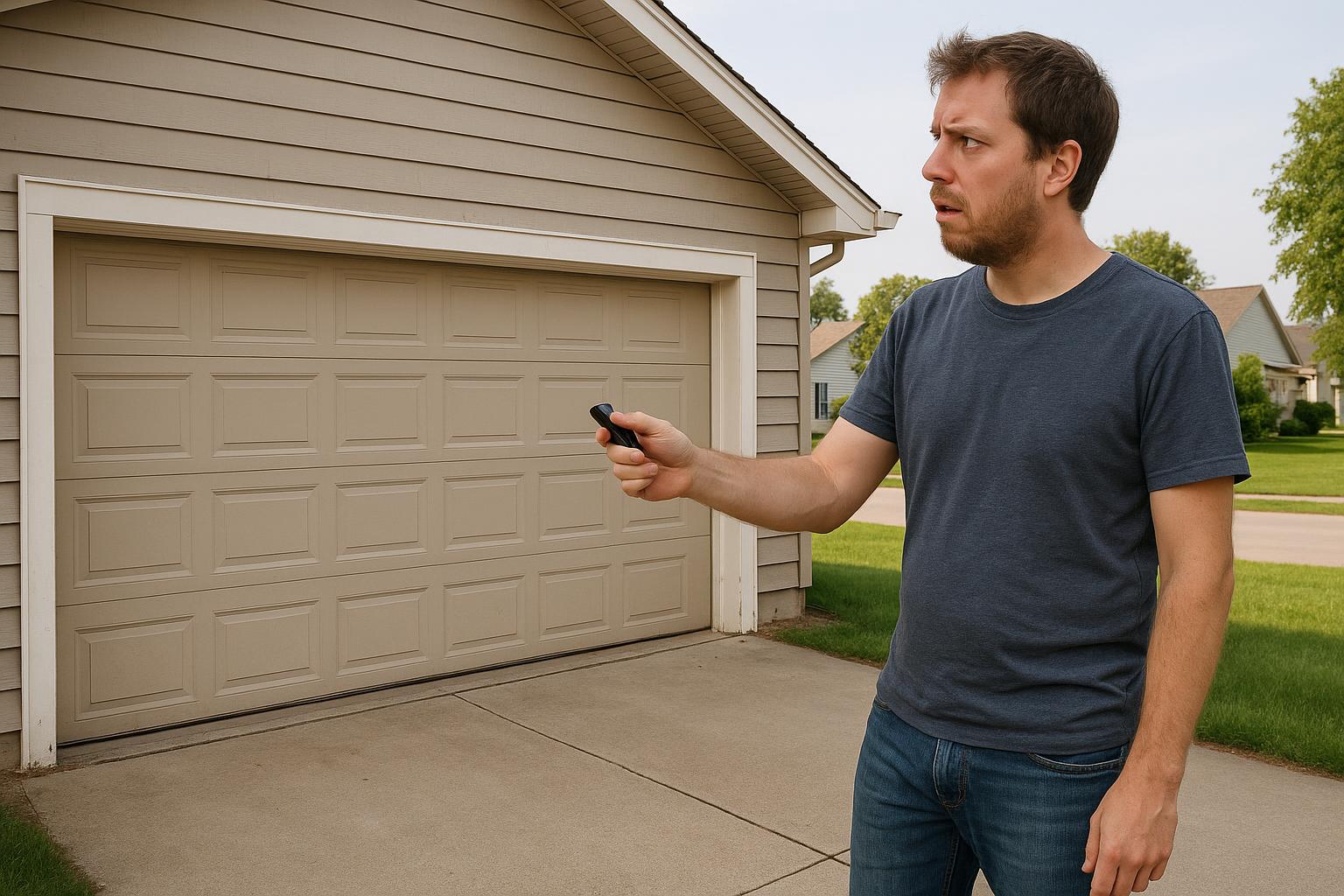
You're running late for work, you press the button on your remote, and nothing happens. Or maybe your garage door starts to close and then reverses for no apparent reason. Few household problems are as immediately frustrating as a garage door that refuses to cooperate.
For homeowners in Orland Park and the surrounding Southland communities, a malfunctioning garage door isn't just an inconvenience — it's a security concern. Your garage door is the largest entry point into your home, and when it stops working, your vehicles, tools, and belongings are vulnerable. Let's walk through the most common reasons your garage door won't open or close and what you can do about each one.
Check the Obvious First: Power and Batteries
Before you assume the worst, start with the basics. You'd be surprised how often the solution is simple.
- Dead remote batteries: If your wall-mounted button works but the remote doesn't, swap out the batteries. This is the single most common reason people think their opener has failed.
- Unplugged opener: Check that your garage door opener is plugged in. It's easy for a cord to get bumped loose, especially if you've been working in the garage.
- Tripped breaker or blown fuse: Head to your electrical panel and check whether the breaker for the garage has tripped. Reset it and try again.
If power isn't the issue, it's time to dig a little deeper.
The Safety Sensors Might Be Blocked or Misaligned
Every modern garage door opener has photo-eye sensors mounted near the floor on either side of the door. These sensors send an invisible beam across the opening, and if anything breaks that beam — a bike, a trash can, a leaf — the door won't close.
Here's what to check:
- Obstructions: Clear anything that might be blocking the sensor's line of sight, even something small like a cobweb.
- Alignment: If one sensor has been bumped, the beam won't connect. Look for a steady green light on both sensors. If one is blinking, it's misaligned. Gently adjust it until the light holds steady.
- Dirty lenses: Wipe the sensor lenses with a soft cloth. Dust and grime build up over time, especially in garages that see a lot of use.
If your door opens fine but won't close, misaligned sensors are almost always the culprit.
Your Garage Door Track May Be Obstructed or Damaged
The metal tracks on either side of your garage door guide it up and down. If they're bent, dented, or blocked by debris, the door can get stuck partway or refuse to move at all.
Run your eye along both tracks from top to bottom. Look for:
- Visible bends or dents in the metal
- Gaps between the track and the rollers
- Dirt, gravel, or small objects lodged in the track
Minor debris can be cleared with a rag, but if the track itself is bent or warped, don't try to fix it yourself. Forcing a door along a damaged track can cause further damage to the rollers, cables, and panels. That's a job for a professional.
The Disconnect Switch May Be Engaged
Every garage door opener has a manual disconnect — usually a red cord or handle hanging from the opener rail. This allows you to open the door by hand during a power outage. If it's been pulled, the opener is disengaged from the door, and pressing your remote won't do anything.
To re-engage it, simply pull the cord back toward the opener or manually slide the door until the trolley reconnects with the carriage. You should hear a click when it locks back into place.
The Limit Settings Could Be Off
Your garage door opener uses limit settings to know how far the door should travel when opening and closing. If these settings are off, the door might stop short of the ground, reverse immediately after touching the floor, or fail to open all the way.
Adjusting limit settings involves turning small screws on the opener unit. Your owner's manual will have specific instructions for your model. If you're not comfortable making these adjustments, or if you're not sure whether the limit settings are actually the problem, it's better to have a technician take a look rather than risk making things worse.
Broken Cables or Off-Track Doors: Stop and Call for Help
If you notice a cable hanging loose, the door sitting crooked in the opening, or the door has come off the track entirely, do not attempt to operate it. A garage door can weigh several hundred pounds, and without the proper support of cables and tracks, it can come crashing down.
This is especially true if a spring has broken. While we've covered spring failure in a previous post, it's worth repeating: broken springs and cables are dangerous, and attempting a DIY fix can lead to serious injury. Call a professional immediately.
When the Opener Motor Runs but the Door Doesn't Move
If you hear the motor humming or running but the door stays put, a few things could be happening:
- Stripped gears inside the opener: Over time, the nylon or plastic gears inside your opener can wear down. You'll hear the motor running, but nothing engages. This requires a gear replacement or, in older units, a full opener replacement.
- Broken trolley carriage: The trolley connects the opener chain or belt to the door. If it breaks, the motor runs freely without moving the door.
- The disconnect is engaged: As mentioned above, check that red cord.
Preventive Steps to Avoid Future Lockouts
Most garage door failures don't happen without warning. Regular maintenance can catch small problems before they turn into a door that won't budge on a Monday morning. Here are a few things you can do throughout the year:
- Lubricate moving parts — Apply a silicone-based lubricant to rollers, hinges, and springs every few months.
- Test the balance — Disconnect the opener and manually lift the door halfway. If it doesn't stay in place, the springs may need adjustment.
- Inspect hardware — Tighten any loose bolts or brackets. Check cables for fraying.
- Test the auto-reverse — Place a board on the ground under the door and close it. The door should reverse when it contacts the board. If it doesn't, your safety features need attention.
For Orland Park homeowners, scheduling an annual maintenance visit is one of the smartest investments you can make in your garage door's longevity.
Know When to Call a Pro
Some garage door issues are safe to troubleshoot on your own — dead batteries, dirty sensors, a pulled disconnect cord. But anything involving springs, cables, tracks, or internal opener components should be handled by a trained technician. The risks of injury and further damage simply aren't worth it.
At Orland Park Garage Door, we help homeowners across Orland Park, Tinley Park, Homer Glen, Mokena, Frankfort, and New Lenox get their garage doors back on track — often the same day. If your door won't open or close and you've exhausted the simple fixes, give us a call. We'll diagnose the problem, explain your options, and get it working again so you can get on with your day.